Showing posts with label pork. Show all posts

Wednesday, November 19, 2008

Braised Country Style Pork Ribs in Soy, Vinegar and Garlic: Adobo


The word adobo comes from the Spanish infinitive, "adobar" which means to marinate. Abodo is considered the national dish of the Philippines. It's the quintessential Filipino dish. If you pair it with white rice, it's a match made in heaven. This is one of the first dishes every Filipino cook learns how to master. Some Filipinos even have several adobo recipes. My paternal grandmother made one of the best adobo recipes I ever had. She made it with a lot of love and patience. It's pretty foolproof once you learn how to master it. I learned that really good abodo is not something you can rush. The adobo recipe I have grown to love is marinated and then braised in lots of freshly chopped garlic, soy sauce, salt, bay leaves, crushed peppercorns, native palm vinegar and a touch of brown sugar. I don't like repeats so I make this entree once or twice a month. When I crave adobo, I channel my grandmother and try make it really well. I prefer ribs or cut up Boston pork butt for my adobo recipe. I marinate the meat overnight and then cook it for two hours or until most of liquid have reduced down to a savory syrup. My grandmother made her adobo "dry" and this allowed the flavors to concentrate in the meat. If we have leftovers the next day, I like frying or quickly broiling the pork. Adodo always taste better the next day.

Thursday, October 23, 2008

Tonight's Dinner: Pata Tim or Slowly Braised Pork Shoulder in Soy, Sherry and Sesame Oil.


My mom is a fantastic Filipino cook. She makes a delicious Chicken relleno, an impressive deboned whole chicken stuffed with seasoned boneless shredded chicken meat, pork, whole eggs and spices. It’s similar to a Cajun turducken minus the turkey and the duck. Several years ago, my mom started teaching me her authentic Filipino recipes and trade secrets. I'm still learning how to cook Filipino food like her but there are several Filipino entrees, soups and desserts I can make consistently each time. I was thrilled when she taught me how to make Pata Tim, one of my favorite Filipino foods growing up. For me, Pata Tim is Filipino soul food and one of those things that remind of me of my childhood in the Philippines and my mom's home cooking.

Filipino Food has been influenced by many different types of cuisines: Spanish, Indo-Malaysian, American, Chinese and so on. Pata tim is a Filipino dish with a strong Cantonese influence. It's similar to a steamed pork shoulder I've had at authentic Chinese restaurants. What is Pata Tim? It's a slowly braised pork leg (pata = pork keg) in a flavorful braising liquid. When I make Pata Tim, I use a Boston pork butt or pork shoulder(pork rind and all) instead of pata. It's meatier than pork legs and we like meat! If you never had Filipino Pata Tim but had pied de cochon(pig trotter) from French restaurants, you will like this dish too. Eating Pata Tim is a quick trip to cholesterol city but it’s worth it as long as you don't overdo it.
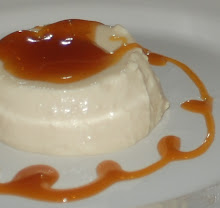
This dish is not too hard to prepare. First, I seared all sides in a couple of tablespoons of oil. Then I braised the pork in water, good quality dry sherry, soy sauce, brown sugar, dried shitake mushrooms, star anise, peppercorns and a Filipino mirepoix: a combination of finely chopped onion, garlic, and grated ginger for six or seven happy hours in a crock pot. The meat falls of the bone and you end up with a delicious sweet, tender, melt in your mouth pork. I like to serve it with Jasmine rice and green peas(or salad greens) and garnish it with finely chopped green onions. Pata Tim is also great as leftovers.

Thursday, October 16, 2008

Tonight's Dinner: Korean Fire Pork!


When I crave Korean food, I make Korean Fire Pork. I learned how to make this lovely dish from my gal pal Doohee. I love a flavor profile that's both spicy and sweet. I marinated thinly sliced pork in a wonderful Korean chili paste called kuchu jang overnight. I also added sliced onions, chopped garlic, green onions, ginger, roasted sesame oil, sugar, soy sauce, asian pear puree, and a touch of sake to the marinade. The next day, I sauteed the pork in its own juices until the meat was fully cooked. This dish is also great grilled. I served it with homemade Chinese chive kimchee, Japanese sticky rice and a side salad.